|
 |
 |
 |
 |
 |
|
 |
|
and welcome to British Butterflies |
Everyone loves to see butterflies in the spring and summer... colourful jewels which brighten our day... but have you noticed something missing?
Some of our most common butterflies such as the Small Tortoiseshell to our rarest such as the High Brown Fritillary are at serious risk due to habitat loss, habitat fragmentation, pollution and global warming.
Many butterfly species are now declining at an alarming rate.
Butterflies and Moths are key indicators of the state of the natural world because of their short life-spans and complex lifecycles. Their lifecycles (egg, caterpillar, chrysalis, butterfly) each have specific environmental needs in order to survive each stage, reach adulthood and produce the next generation. Their presence or absence provides a rapid and undeniable indication of the health of the environment.
With the loss of traditional farming methods, the use of mechanical hedge cutters and insecticides, our countryside has lost much of its wildlife. Our soils are often devoid of life and incapable of naturally supporting food production. Instead our farmers now rely almost entirely on oil based fertilisers.
This web site is result of many hours work and a passion for some of our most beautiful yet delicate creatures which desperately need our help. I hope that visitors to this web site will be encouraged to learn more about our natural world and appreciate and value wild places and the creatures we share our world with.
I hope you will be inspired to join the fight to save our butterflies and moths. Join Butterfly Conservation, a UK charity, dedicated to saving butterflies, moths and their habitats and you could help make a big difference. There are branches across the UK who need your help.
Steven Cheshire -
|
|
 |
|
Do you know what it is yet??
Over recent weeks I have had many emails from visitors to this site saying they have just seen a small butterfly with black forewings, with scarlet red stripes and spots and scarlet hind wings which are more visible when in flight.
The 'butterfly' is in fact a Day-flying moth known as the Cinnabar (Tyria jacobaeae). It is becoming increasingly uncommon due to the loss of the larval food plant Ragwort which is routinely removed wherever it is found. As a result, this once Common moth is now quite rare. Find out why at Ragwort Facts or try the 'alternative Ragwort Facts' here... which supports the removal of Ragwort... and presumably the extinction of a once very common Day-flying moth? Whose right? You decide.
Other day-flyers include: Narrow-bordered Five-spot Burnet and the Chimney Sweeper. |
| Has this web site been helpful?
Do you value this free online resource? |
| If the answer is yes to both questions, please consider supporting this web site by clicking on the SUPPORT US button and help in any way you can to cover its day to day running costs and future development so that it remains a free educational resource for everyone. View a list of those who have supported this web site in the past here. |
 |
|
|
 |
 |
 |
Satyrium was established in order to provide environmental habitat management and wildlife survey services... more |
 |
|
 |
|
|
|
 |
| Butterflies in
September
|
| There are 33 species of butterfly which may be seen during
September
in Britain. |
|
|
|
 |
 |
 |
 |
Butterflies in your region |
 |
| |
Seen a butterfly but not sure what species it is? Narrow down your search by selecting the appropriate region from the map below to see which species can be seen in that area. |
|
 |
 |
 |
|
|
 |
Join the British Butterflies group. |
|
 |
|
 |
 |
 |
| British Butterflies Wildlife Shop |
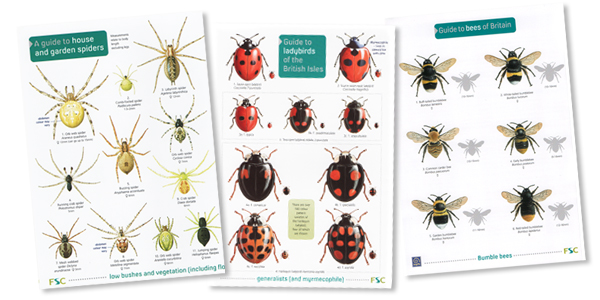
The British Butterflies online shop is set to expand over the next few months. You can view all of our products here.
Below are just a few of the great offers currently available. |
|
 |
|
 |
 |
 |
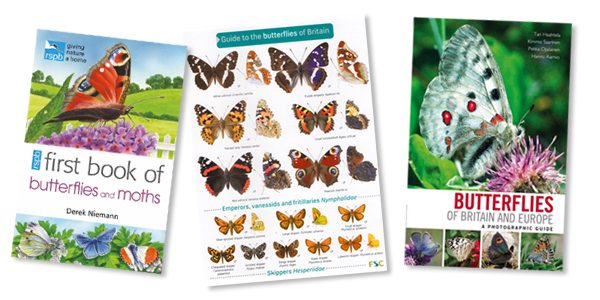
| Recommended Books available from Amazon |
|
 |
|
 |
 |
|
 |
 |
 |
National Annual Events |
 |
 |
 |
|
Save Our Butterflies Week
24th July - 1st August 2010 |
 |
 |
|
National Moth Night
15th May 2010 |
 |
 |
|
Garden Moths Count
Not taking place during 2010 |
| More information about these events available here. |
|
 |
|
 |
|
|
 |
 |
 |
Downloads Page |
 |
 |
 |
 |
 |
The first downloadable document is now available on the brand new British Butterflies Downloads page, which was launched in August 2009.
Each document will target a specific area of study, ideal for anyone interested in expanding their knowledge of British Butterflies or improving their identification and field skills. |
 |
|
 |
|
|
 |
|
 |
 |
 |
| Educational Talks/Presentations |
My presentations are ideal for local groups and provide a unique opportunity to learn about these wonderful creatures and their complex lifecycles. I am now taking bookings for evening presentations about butterflies starting in September 2010.
Presentation Themes Include:
1. British Butterflies - An Introduction in Pictures
2. Butterflies - Indicators to the state of our environment
3.
Threats to Butterflies and how we can help safeguard their future
Location: I primarily deliver my talks to audiences in the Midlands region (West Midlands, Warwickshire and Leicestershire) although I may be able to travel further upon request so please do not hesitate to ask.
Pricing: This varies depending upon the duration of the presentation you require. Please contact me for more details. Discounts available to charitable organisations. Travel costs and other expenses may be charged if your venue is outside the locations listed above.
Book early to avoid disappointment. For more information or to reserve a date, please contact me.
I look forward to meeting you.
Steven Cheshire |
|

|
|
 |
|
 |
 |
 |
 |
 |
 |
| |
Protected species |
|
 |
 |
 |
| |
Six species of butterfly, the Heath Fritillary, Large Blue,
Swallowtail, Marsh Fritillary, Large
Copper and High
Brown Fritillary are fully protected by law in the UK.
Due to habitat loss, these species have become
very rare in the UK or have suffered such significant
declines
that full protect is required in order to try and
save the species.
It is a criminal offence to disturb in
any way or collect
these species from the wild.
Many other species are also protected. Find out more.
|
|
|
|
 |
|
|
 |
|
 |
 |
 |
| |
Gardening for butterflies |
|
 |
 |
 |
| |
We have over 50 resident species of butterflies in Britain, of
those, approximately 15 are likely to occur in most urban
gardens.
You don't need a large garden to attract butterflies, but
you do need the correct types of flowers for them
to visit your garden to feed. You can also attract
butterflies by providing the correct plants on
which their caterpillars (larva) feed.
Find out more about gardening for butterflies. |
|
|
|
 |
|
|
 |
|
 |
 |
 |
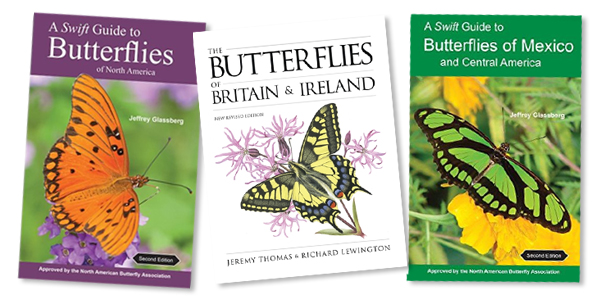
| Recommended Books available from Amazon |
|
 |
|
All text, photographs, images & other graphic elements used on this web site are copyright Steven Cheshire 2000 -
unless otherwise stated.
current visitors
839

British Butterflies
is Carbon Neutral
 |
|